Agarwood can vary from place to place because trees grow under different environmental conditions, and individual trees can also differ.
Agarwood-producing trees occur across parts of South and Southeast Asia and southern China. But “region” is only the beginning of the story. Climate, temperature, humidity, rainfall, soil, elevation, forest ecosystem, tree species, and differences between individual trees can all contribute to the conditions under which resin develops. These differences can be reflected in the resulting agarwood’s aroma, appearance, and other characteristics.
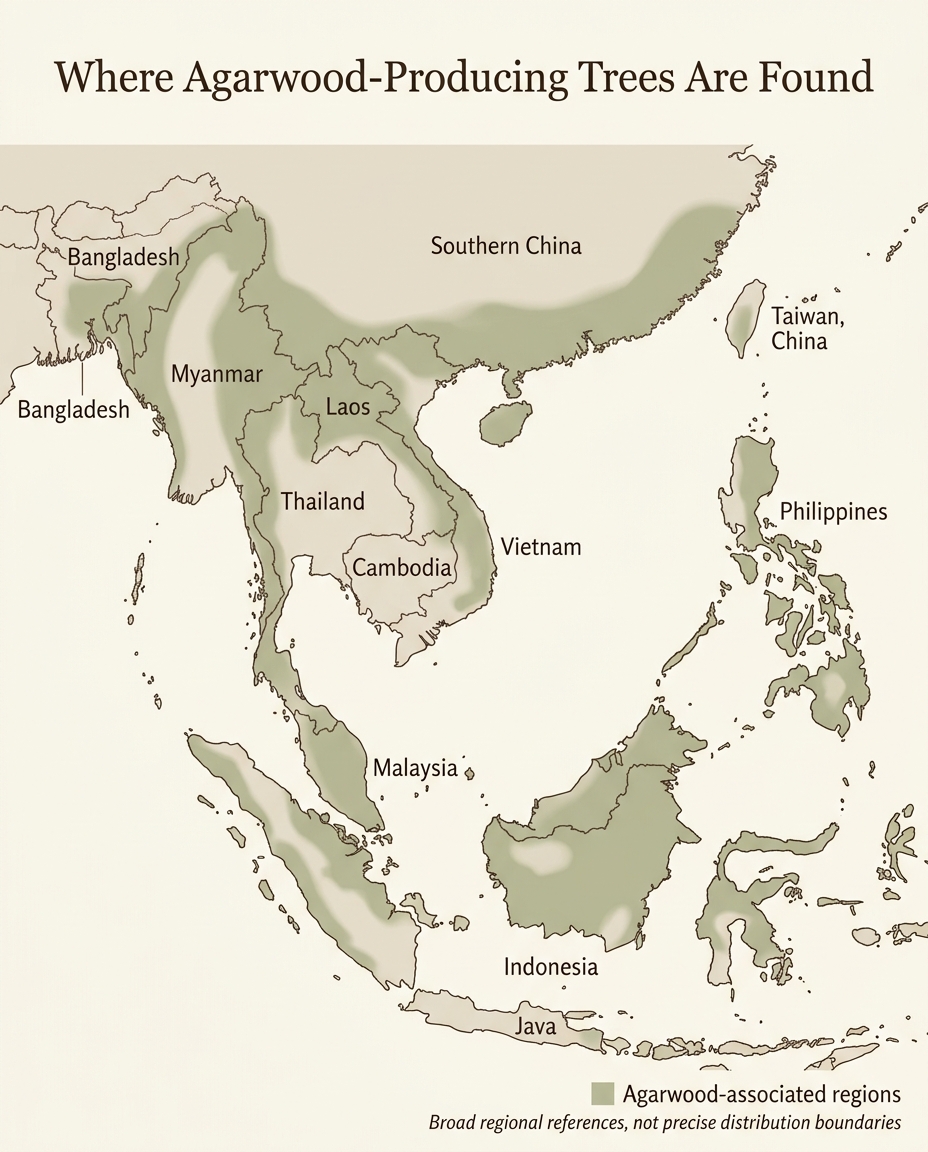
Agarwood-producing trees are found across a wide tropical and subtropical area. Different regions can provide different combinations of climate, rainfall, humidity, temperature, soil, elevation, and forest conditions. That does not mean every piece from one region will share the same characteristics, but regional environment can be one part of the explanation.
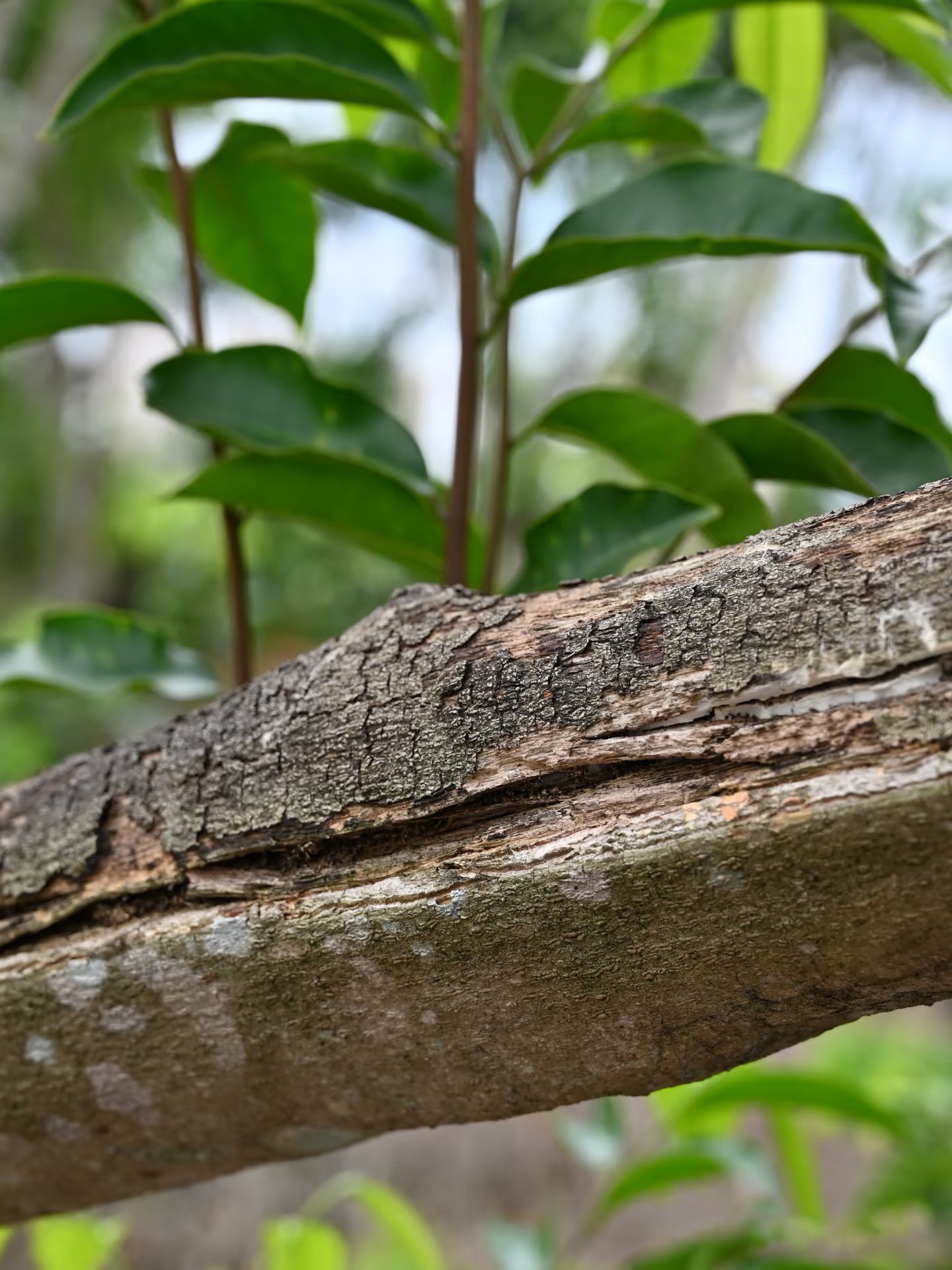
Temperature, humidity, rainfall, soil, elevation, and the wider forest ecosystem can differ between regions. These conditions influence how plants grow and can contribute to differences in the biological environment surrounding agarwood-producing trees.
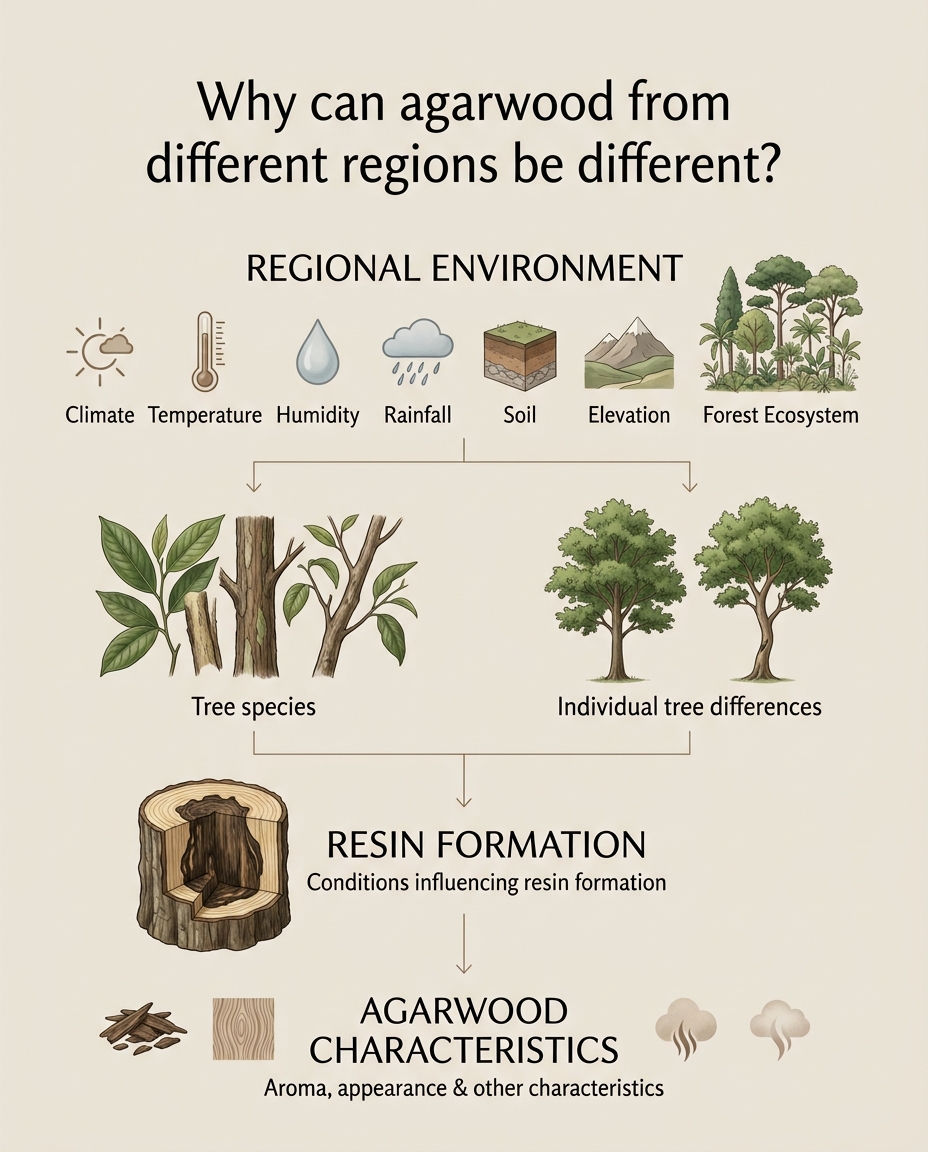
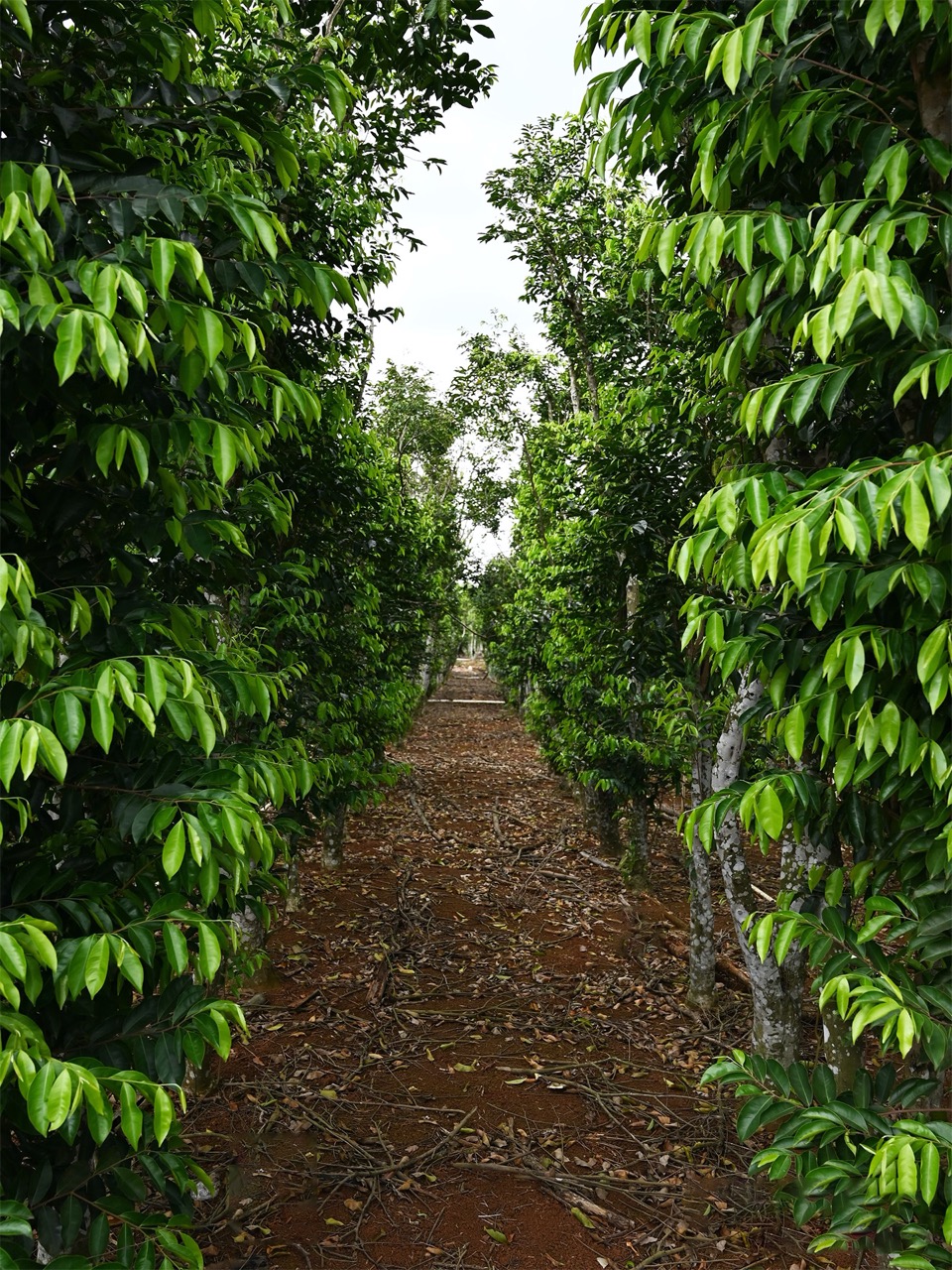
Two trees growing in the same general region can still differ. Species, age, growth history, individual biology, and the conditions experienced by each tree can all vary. This is one reason it is too simple to assume that everything from a particular region will smell, look, or behave in exactly the same way.
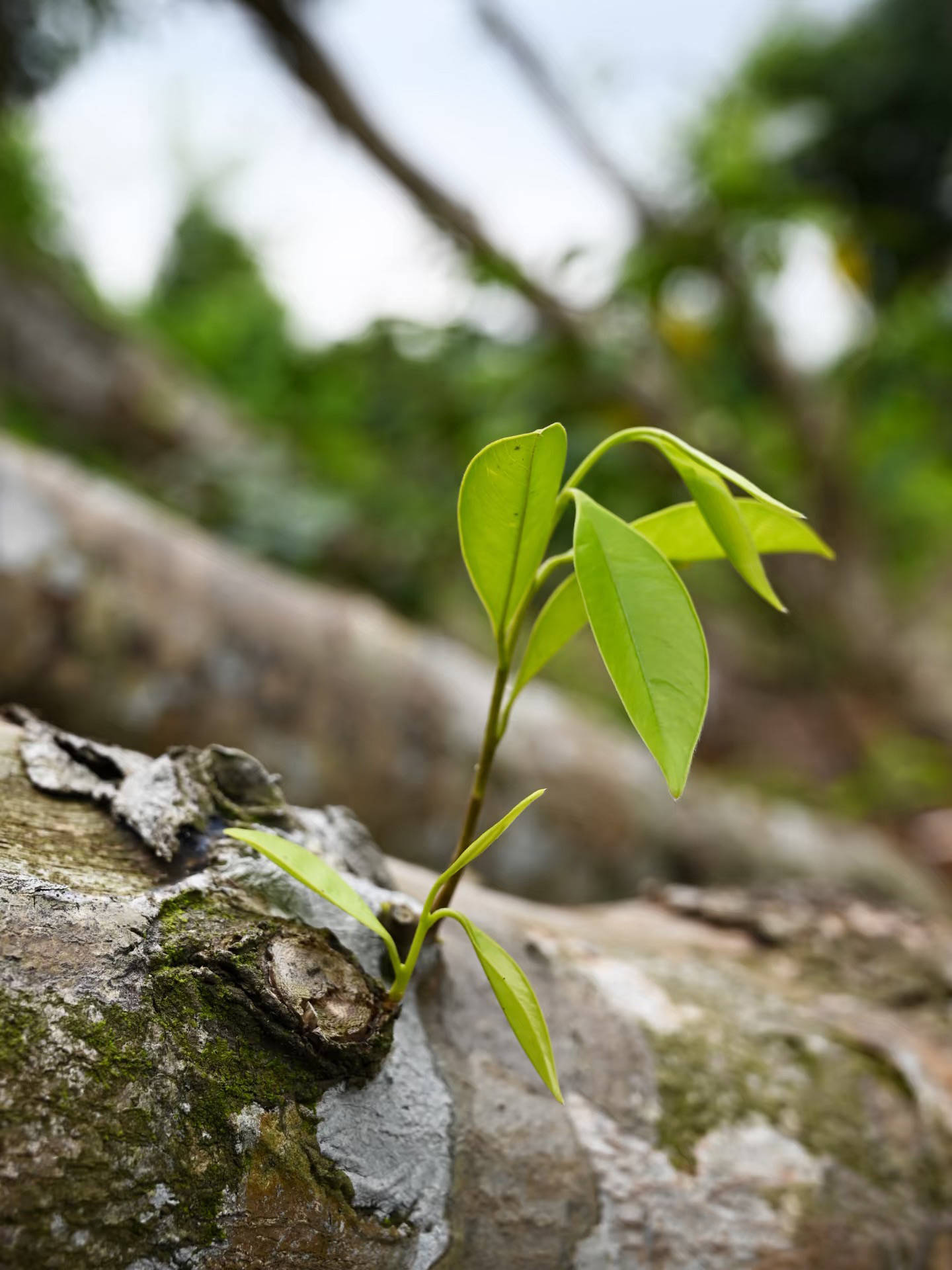
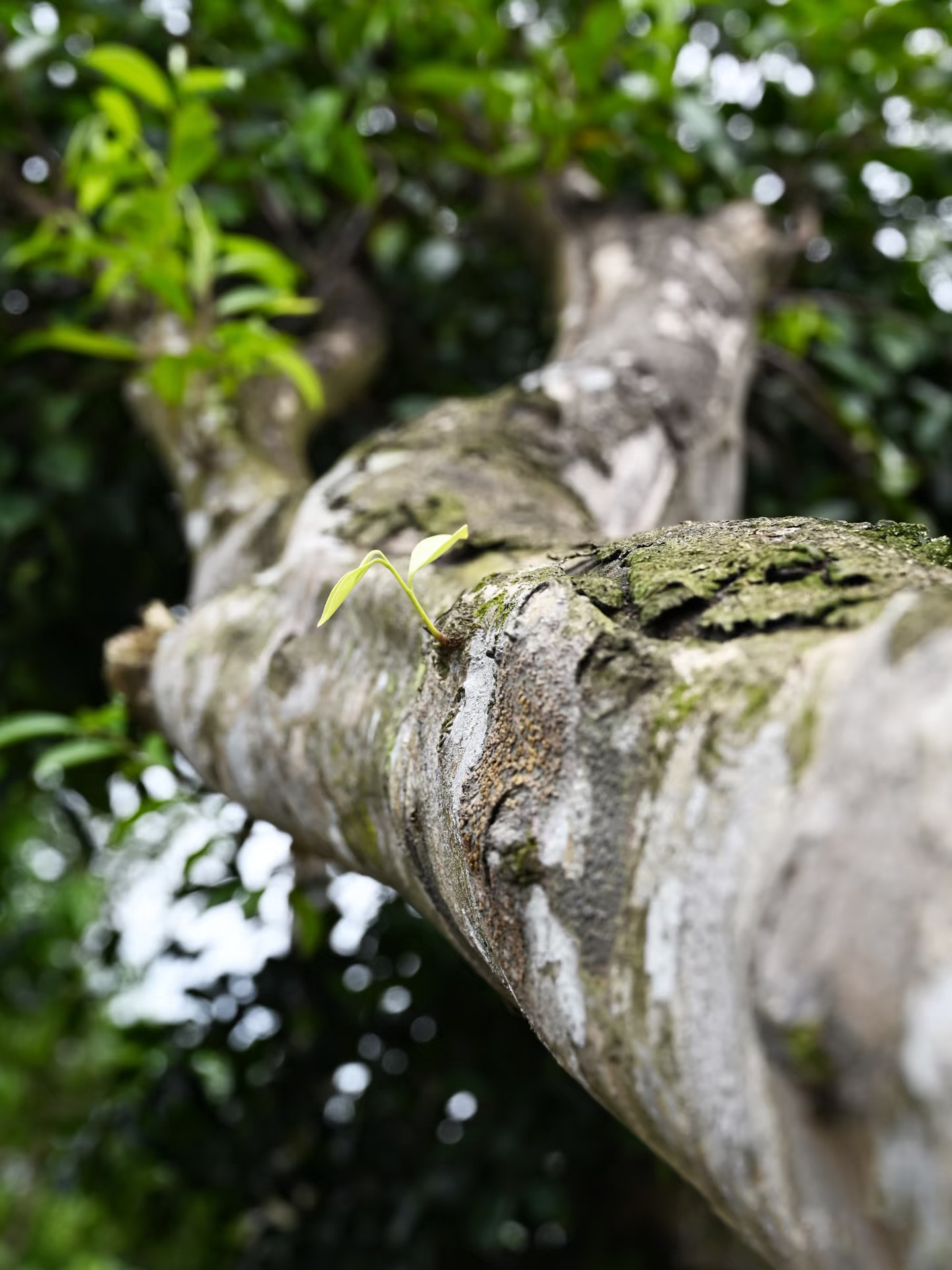
The characteristics of agarwood are the result of multiple factors rather than a single geographic label. Region, environment, tree species, individual tree differences, and the conditions surrounding resin formation can all be part of the picture. This is why “where it comes from” is useful information, but it is not the whole explanation.
There is no single factor that explains every difference. Agarwood is shaped by a combination of place, tree, and formation conditions.
Ready to Explore Agarwood?
Discover our current agarwood and incense collection, thoughtfully crafted for mindful living.
Explore Our Agarwood Collection →